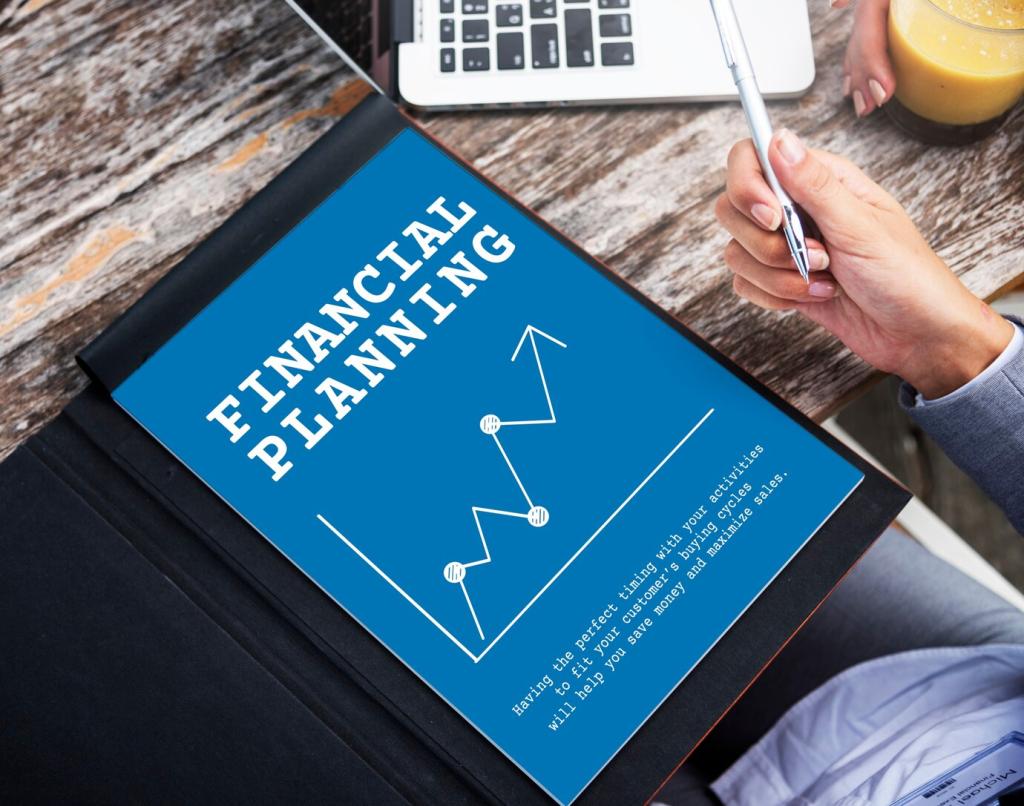




Navigate Risk Management in Emerging Markets with Confidence

Chosen theme: Risk Management in Emerging Markets. In fast-moving, opportunity-rich markets, smart risk is the bridge between ambition and impact. Join our community of builders and operators as we turn uncertainty into practical playbooks—subscribe, share your experiences, and help others learn faster.

Local Context Beats Templates

No two markets behave alike: subsidy regimes, FX windows, informal norms, and procurement cycles shift the ground under your plan. Spend your first month listening—industry breakfasts, chamber events, and factory floor walk-throughs—before you freeze the risk map.

Build a Living Risk Register

Start with a PESTLE framework, name an owner for each risk, define early-warning indicators, and set response thresholds. Review monthly, tie actions to OKRs, and integrate the register into weekly stand-ups so it never gathers dust.

A Lagos Napkin Story

Over coffee in Victoria Island, a country manager sketched a stakeholder map on a napkin—customs brokers, port officials, trade bankers, and a union rep. That simple drawing prevented a costly delay when a new cargo scanning rule landed overnight.

Taming Currency Volatility

Match inflows and outflows in the same currency, denominate contracts wisely, and localize some costs where feasible. Avoid speculative positions; design working capital terms that cushion timing gaps instead of guessing tomorrow’s rate.

Taming Currency Volatility

Where onshore liquidity is scarce, non-deliverable forwards or options can cap downside without strangling upside. A textile CFO in Dhaka layered small, rolling hedges tied to a thirteen-week forecast and slept better during a sudden devaluation.


Regulatory Whiplash Without the Drama

Watch the Rulemakers Upstream

Monitor gazettes, follow sector associations, and cultivate relationships with local counsel who interpret nuance. Set triggers for internal alerts when draft rules surface, not just when they are enacted and already biting your operations.

Compliance by Design

Bake KYC, AML, privacy, and product standards into workflows, rather than bolting them on. Keep versioned SOPs, evidence checklists, and a clear approval trail so audits become routine, not fire drills, when regulators visit unannounced.

São Paulo Medtech Pivot

A medtech importer saw ANVISA tweak classifications that delayed test kits. Because alternatives were pre-cleared in their playbook, they switched suppliers within a week, maintained hospital deliveries, and documented everything for a clean follow-up audit.

Politics, Protests, and Planning

Three Scenarios, Not One Forecast

Sketch base, upside, and downside scenarios tied to clear signals: poll shifts, cabinet picks, subsidy changes, or tariff rumors. Link each scenario to pre-agreed budget buffers and inventory moves so decisions are timely, not debated mid-crisis.

Listen to the Street

Local intelligence beats headlines. Union calendars, trucking forums, and neighborhood associations often signal disruptions early. Pair informal insight with ethical guidelines so information gathering respects privacy and your team’s values.

Santiago Detour

During demonstrations, a distributor in Santiago rerouted deliveries to nighttime windows and co-loaded with a trusted partner. Sales dipped for a week, but customer retention held because communication was transparent and safety rules were visibly enforced.

Supply Chains Built to Bend, Not Break

Nominate a secondary supplier early and split a small share of volume to keep them warm. Include surge clauses, shared forecasts, and joint improvement plans so the backup is real capacity, not a line in a contract.
Choose Signals That Matter
Watch FX forward points, customs clearance times, retail footfall, and utility uptime. A lean set of indicators, owned by named people, beats a sprawling dashboard nobody reads when the pressure rises.
Alternative Data, Real Restraint
Satellite night lights, precipitation patterns, and social chatter can hint at demand and disruption. Use them ethically, validate with ground truth, and avoid overfitting clever charts that fail when policy suddenly shifts.
Nairobi Heads-Up
An analyst spotted rising generator rentals and power rationing chatter. The team advanced production by two weeks and shifted cold-chain capacity, turning a looming disruption into a footnote on the monthly report.

ESG, Integrity, and the License to Operate

Set tight controls on intermediaries, maintain gift registers, and protect speak-up channels. Train frontline staff to refuse facilitation requests safely, backed by leadership that rewards integrity with visible recognition, not just quiet approval.

ESG, Integrity, and the License to Operate

Map local stakeholders early—schools, clinics, and cooperatives—and co-create initiatives that matter to them. When community leaders are partners, roadblocks become workshops, and rumors are replaced by WhatsApp updates everyone trusts.

Pick Partners for Fit, Not Fame

Run due diligence beyond checklists: test claim turnaround, simulate a disruption, and speak to clients that actually filed. A modest regional insurer can outperform a global brand when local networks truly matter.

Empower Local Leaders

Define decision thresholds, escalation paths, and budgets your country managers can deploy instantly. Fast, principled decisions at the edge beat centralized approvals that arrive after the opportunity—or the crisis—has passed.

Casablanca Distributor Win

A distributor in Casablanca pre-negotiated warehousing with a neighbor port and swapped fleets during a strike. Because incentives were aligned and authority was clear, the switch happened in hours, not days, preserving critical shelf space.
Orbitasv
Privacy Overview

This website uses cookies so that we can provide you with the best user experience possible. Cookie information is stored in your browser and performs functions such as recognising you when you return to our website and helping our team to understand which sections of the website you find most interesting and useful.